
Multiligamentous Knee Reconstruction
Multiligament knee injuries involve damage to two or more ligaments that help stabilize the knee joint. These injuries can occur following high-impact sports, motor vehicle accidents, or falls from a height.
Multiligamentous knee reconstruction is a surgical procedure used to repair or reconstruct damaged ligaments when appropriate non-surgical treatments do not provide sufficient pain relief and knee stability.
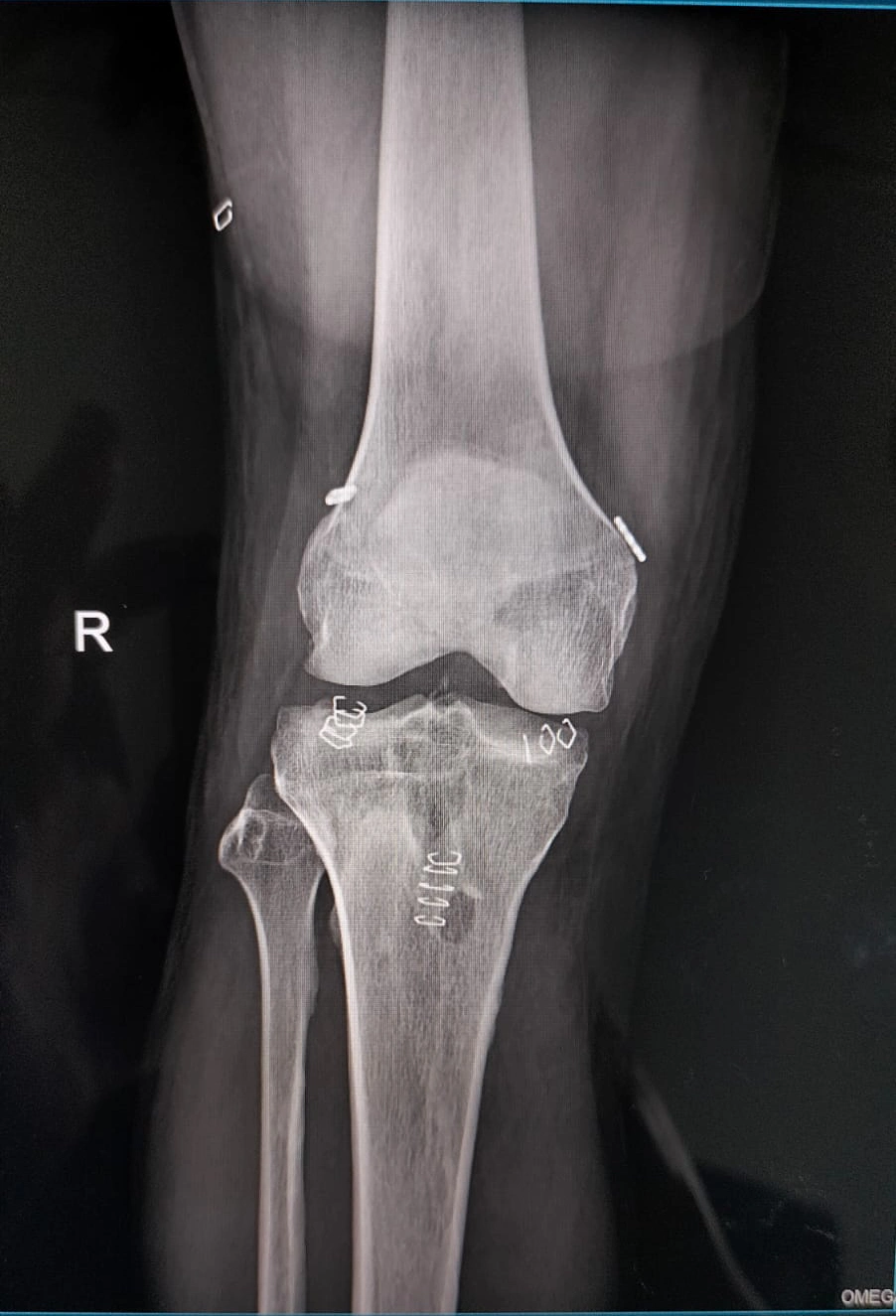
What Is a Multiligament Knee Injury?
Ligaments are strong bands of fibrous tissue that help stabilize the knee joint. An injury involving two or more knee ligaments is known as a multiligament injury.
ACL
The anterior cruciate ligament is one of the major ligaments that contributes to knee stability.
PCL
The posterior cruciate ligament is another major ligament that helps stabilize the knee joint.
Collateral Ligaments
The lateral collateral ligament and medial collateral ligament are important structures that contribute to knee stability.
What can cause these injuries?
Common causes include high-impact sports such as football, hockey and skiing, motor vehicle accidents, falls from a height, and direct blows to the knee.
Symptoms of Multiligament Injuries
Symptoms can vary depending on the ligaments involved and the severity of the injury.
Knee Pain
Pain around the knee following an accident, impact, or sports-related injury.
Swelling and Inflammation
Swelling and inflammation around the injured knee joint.
Knee Instability
Difficulty maintaining knee stability during movement or physical activity.
Limited Movement
Reduced range of motion that may interfere with normal knee movement.
Nerve or Artery Injury
Nerve and artery injuries in the leg can occur with multiligament knee injuries and require urgent assessment.
Early Assessment
A prompt medical evaluation helps assess the injury and identify associated damage.
When Is Multiligament Surgery Recommended?
Treatment depends on the nature of the injury, knee stability, functional needs, and response to non-surgical management.
Non-Surgical Management
Conservative treatment may be considered depending on the specific injury and clinical assessment.
- Activity modification
- Rest and appropriate medication
- Physical therapy
- Knee bracing when advised
When Surgery May Be Considered
An orthopedic surgeon may recommend surgery when conservative treatment does not provide adequate stability or when functional needs cannot be met.
- Persistent ligament instability
- Ongoing functional limitations
- High physical demands at work
- Sports participation requiring knee stability
How Is the Injury Diagnosed?
Accurate diagnosis helps identify which ligaments are torn and determine the extent of the damage.
Clinical Evaluation
The orthopedic surgeon evaluates the knee, reviews the injury history, and assesses stability and movement.
X-rays
X-rays may be recommended to assess the bones and identify associated bony injuries.
MRI Scan
MRI imaging helps assess ligament tears and the extent of soft-tissue damage.
Why Is Detailed Assessment Important?
Multiligament injuries can involve several structures around the knee. Identifying the injured ligaments and any associated damage helps the surgeon plan the appropriate treatment.
The treatment plan should also account for the patient's age, activity level, functional goals, and other injuries.
Ligament Repair or Reconstruction
The surgical technique depends on the location of the tear and the quality of the remaining ligament tissue.
Ligament Repair
When a torn ligament has suitable tissue quality, direct repair may be possible.
This can involve reattaching the ligament to the bone using sutures and fixation anchors.
Ligament Reconstruction
Reconstruction may be necessary for tears within the ligament or when the remaining tissue is unsuitable for direct repair.
Replacement grafts, bone tunnels, and fixation devices may be used to restore ligament stability.
Single-Stage vs. Staged Reconstruction
Depending on the injury and treatment plan, the surgeon may address the damaged ligaments in one operation or across separate stages.
Single-Stage Approach
Multiple ligament injuries are addressed during one operation.
- Addresses the planned ligament procedures together
- May allow earlier rehabilitation in suitable cases
- Can be technically challenging
Staged Approach
Selected ligament injuries are treated first, with other procedures performed after initial healing when appropriate.
- Allows treatment to be divided into stages
- May reduce surgical complexity in selected cases
- Requires an individualized treatment timeline
Which approach is right for you?
The choice depends on the injury pattern, associated damage, patient-specific factors, and the surgeon's clinical assessment.
Rehabilitation Is Essential
Surgery is only one part of treatment. A structured rehabilitation programme helps protect the surgical repair and support recovery of knee function.
Protect the Knee
Follow instructions regarding bracing, movement, weight-bearing, and protection of the reconstructed ligaments.
Restore Movement
Rehabilitation may include carefully guided exercises to improve range of motion and muscle activation.
Progress Gradually
Strengthening, functional activities, and return to demanding activities should progress according to clinical assessment and recovery.
Restoring Knee Function and Stability
Multiligament knee injuries require careful assessment and an individualized treatment plan. Depending on the injury, treatment may include non-surgical management, ligament repair, or reconstruction using a single-stage or staged approach.
Patient-specific factors such as age, activity level, and associated injuries can influence treatment decisions and outcomes. Rehabilitation is equally important in protecting the surgical site and supporting recovery.
Discuss your injury, treatment options, and rehabilitation goals with an experienced orthopedic surgeon.
Medical disclaimer: This page provides general educational information and is not a substitute for a medical examination, diagnosis, or personalized treatment advice.
