
Complex Hip Replacement: When "Standard" Surgery Isn't the Right Fit
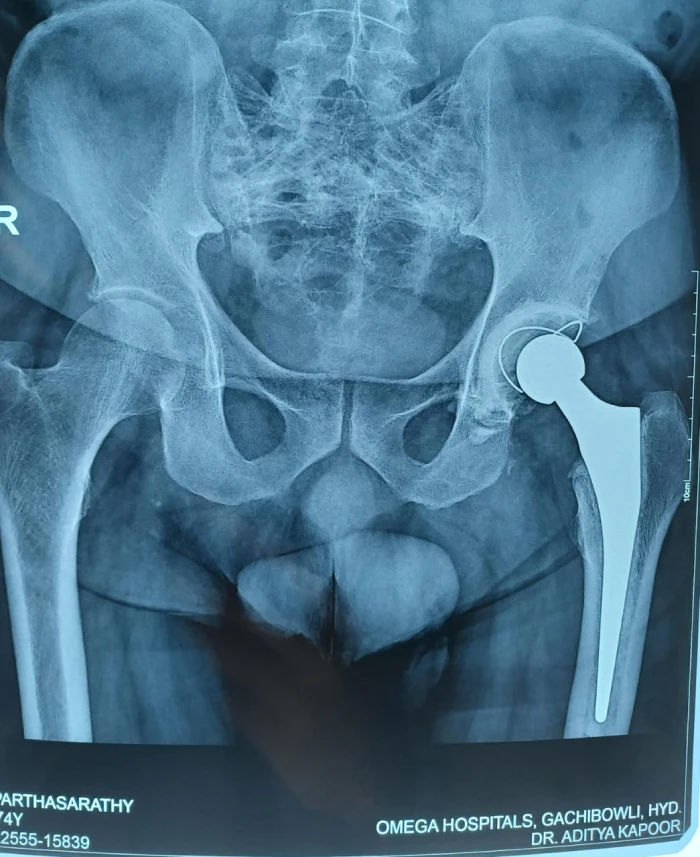
Total hip replacement surgery is done to replace the damaged hip joint with an artificial joint (implant or prosthesis). The main goal of hip replacement surgery is to reduce pain and improve function and mobility of the hip joint.
Most hip replacements follow a standard surgical template and procedure. But in some patients, for varying reasons, the standard surgical template and procedure cannot be adopted. They require an extensively planned and complex hip replacement procedure.
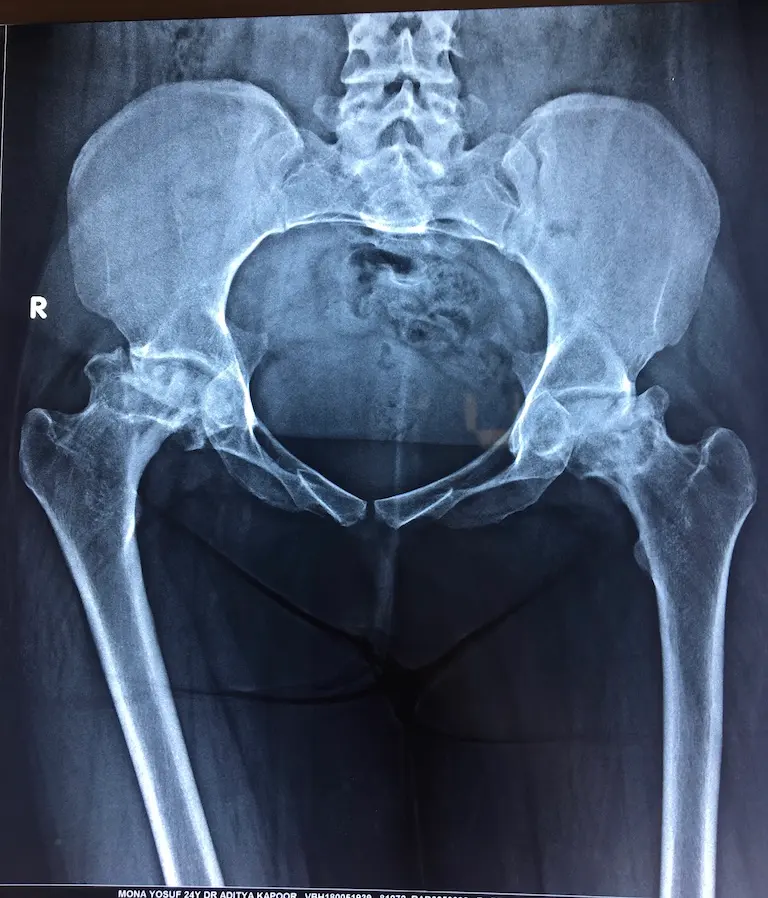
In some patients, the hip joint deformity due to extensive arthritis and anatomical defects doesn't comply with the standard surgical template.
For instance, patients with birth defects, an old fracture, deep injury or trauma, extensive soft tissue damage from prior surgery, or significant bone loss are not suitable for standard hip replacement. They need complex primary total hip replacement.
Are You a Candidate for a Complex Hip Replacement?
Let us have a quick self-check:
As a child or as an adult – have you ever been diagnosed with hip dysplasia or have had a hip osteotomy in the past?
Has your hip joint become stiff, ankylosed (fused) from a previous hip fracture or hip surgery or trauma?
Do you have a skeletal dysplasia, protrusio acetabuli (acetabular protrusion: where the hip socket has migrated inward), or a neuromuscular condition affecting the hip?
Did your surgeon recommend "bone grafting," "customized implants," or "augments" as part of your surgical plan?
Why Complex Hip Replacement Is Genuinely Different
Realistic surgical expectations and recovery depend on a better understanding of the specific anatomical and structural challenges.
The complexity in these cases isn't hypothetical — it's structural. Developmental dysplasia of the hip, for instance, is classified by surgeons using the Crowe system (types I through IV) based on how much the hip joint has migrated from its normal position.
Higher Crowe grades mean less native bone available to anchor an implant, and often a shortened, malformed femur that needs to be surgically lengthened back to a functional position during the same operation.
Similarly, hips with acetabular protrusion have a socket that has migrated inward, distorting the normal geometry a standard implant is designed for.
The Techniques That Make These Surgeries Possible
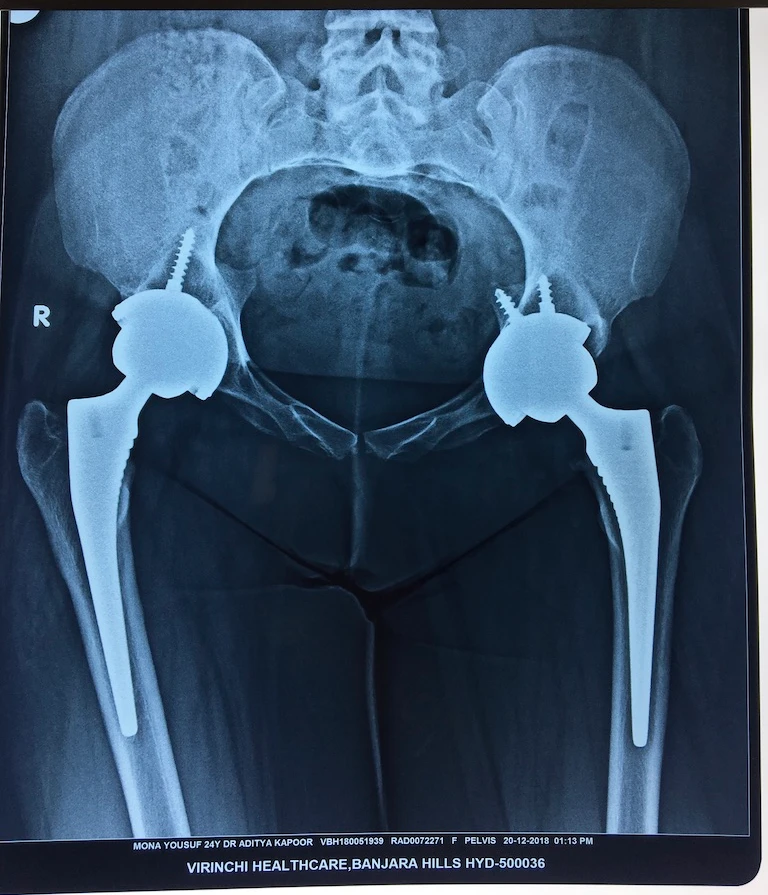
For less severe defects, jumbo acetabular cups — oversized components that maximize contact with remaining healthy bone — are often sufficient.
For more significant bone loss, porous metal augments or bone grafting (using impacted morcellized bone) can rebuild the missing structure before an implant is placed.
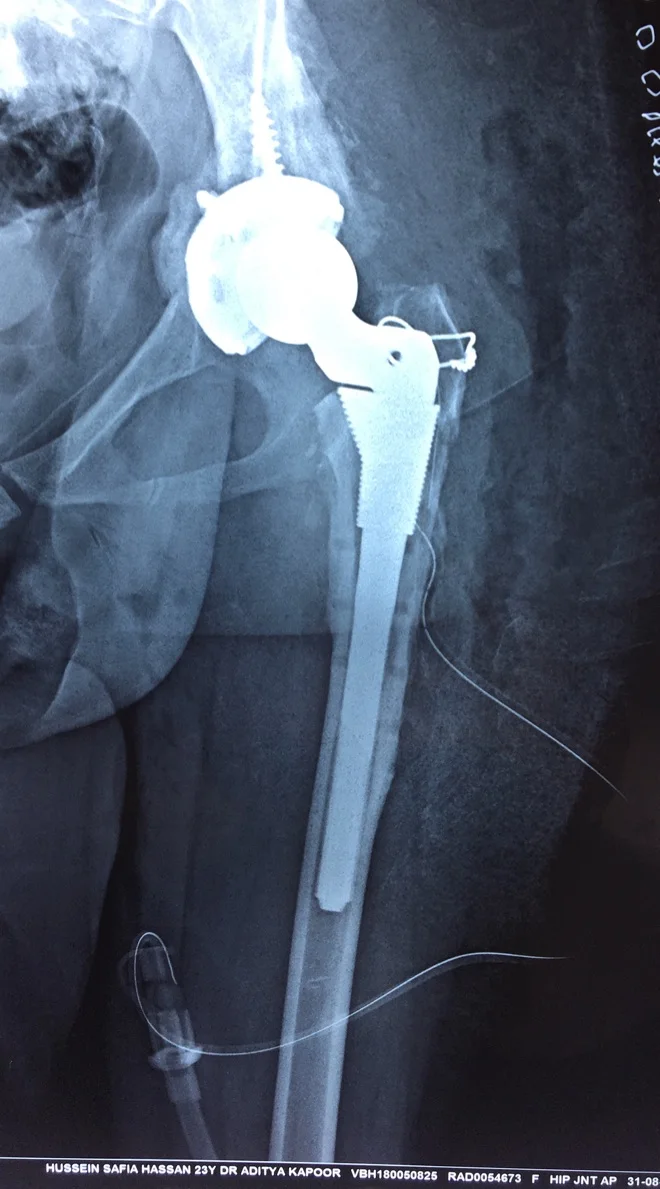
In the most severe dysplastic cases, particularly Crowe III and IV, surgeons may perform a subtrochanteric femoral shortening osteotomy — cutting and shortening the femur — alongside the implant to safely restore normal leg length and joint mechanics without excessive tension on surrounding nerves.
In the most extreme reconstructions, custom-made implants designed from a patient's own CT-based anatomy are increasingly used, particularly in combination with dual-mobility cup designs shown to improve stability in complex acetabular reconstructions.
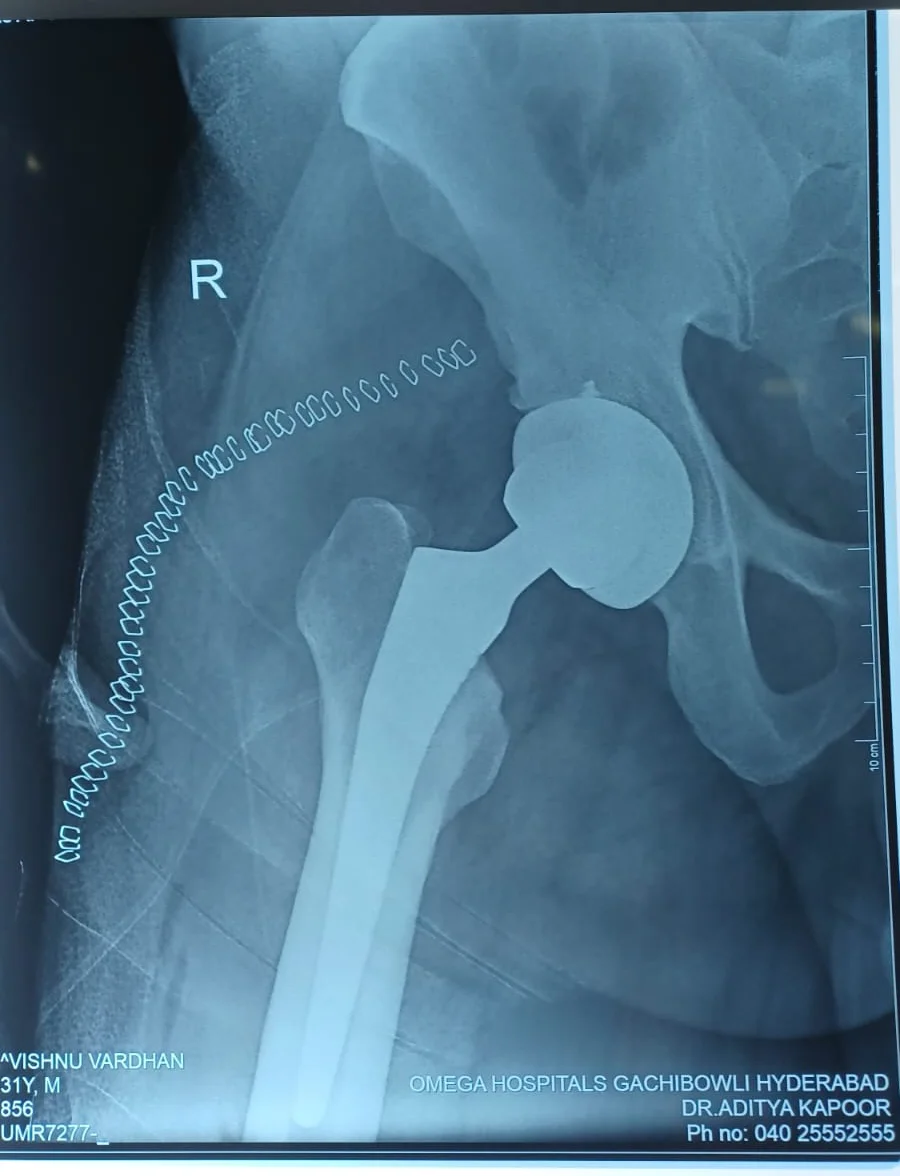
Looking Ahead
Emerging technology is actively reshaping this field. Extensive research is making way for the emergence of cutting-edge technologies.
Robotics and AI-enabled preoperative modeling for complex pelvic and hip reconstruction are augmenting precision.
These modern technologies are making these procedures more realistic, reliable, and accessible.
Setting Realistic Expectations
Complex hip replacement is different from primary total hip replacement. The procedure demands extensive pre-operative counselling and planning.
Patients with anatomical defects in bones or accidental bone damage may require bone grafting.
A surgeon with extensive experience and expertise in performing complex hip replacement is the best bet for this type of surgery.
Longer operative time
Extensive preoperative imaging
Longer recovery time
Not Every Hip Joint Fits the Standard Surgical Template
Remember that not every hip joint fits the standard surgical template. Complex hip replacement exists precisely for this reason.
Complex hip replacement can deliver genuinely superior outcomes (results) in patients with bone deformities (hip dysplasia, deep hip sockets) and other anatomical and structural hip joint defects.
Patients can expect good results because of customized implants, robust bone grafting methods, and modern reconstructive techniques.
One Question Worth Asking at Your Consultation
When you visit to consult your hip replacement surgeon, you can ask him about the specific anatomy of your joint, how your surgery is planned, and what reconstructive and other techniques the surgeon is using.
