
Robotic orthopedic surgery benefits
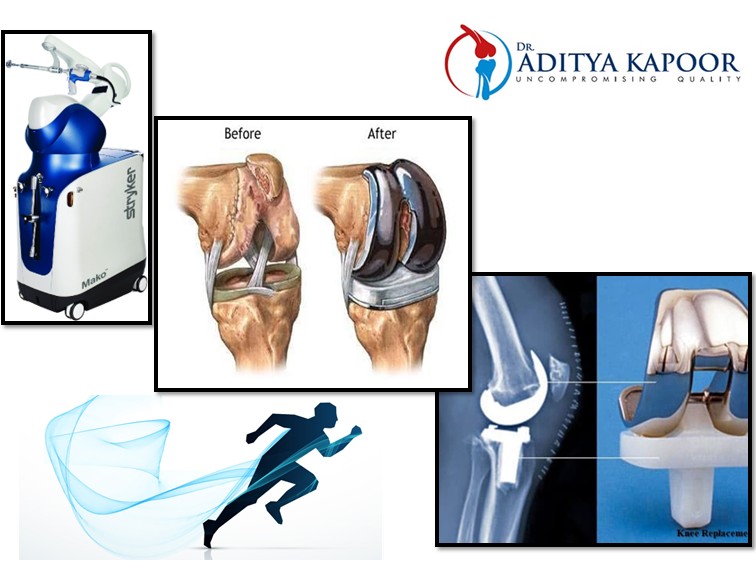
Orthopedic surgery was one of the earliest medical fields to adopt robotic technology in clinical practice. Over the past three decades, this industry has shown potential. By accurately preparing the bone, restoring normal kinematics, improving the ability to repeat alignment, and restoring ligament function to pre-osteoarthritic levels, surgical robots can simplify total joint replacement surgery.
In several orthopedic subspecialties, robotic devices are now a standout due to their enhanced precision and adaptability. Robotics has made significant advances in spine surgery beyond joint replacements, with systems such as ExcelsiusGPS (Globus Medical) and Mazor X Stealth Edition (Medtronic) optimizing pedicle screw insertion and improving results in complex spinal procedures.
Robotic devices have enhanced stability in complex reconstructions by assisting surgeons with precise fracture repairs, vertebral realignments, and stabilizations in orthopedic trauma.
Furthermore, the frequency of minimally invasive robotic-assisted operations is growing due to their benefits, which include faster recovery times, fewer complications, and smaller incisions.
Robotic Orthopedic Surgery Benefits
The advantages of robotic systems in orthopedics are as follows:
Improved accuracy: Robotic systems enable unprecedented accuracy and precision during surgical procedures, resulting in better implant alignment and operative outcomes.
Personalized Care: Using robotic platforms, surgical procedures can be personalized to each patient’s specific anatomy, potentially lowering risks and improving long-term outcomes.
Reduced tissue trauma: Robotic-assisted operations usually require fewer incisions and inflict less damage to the surrounding tissues, resulting in faster recovery times and less postoperative pain.
Better implant placement: Robotic technologies enable precise implant insertion, potentially extending implant longevity and improving patient satisfaction.
Real-time feedback: During procedures, a variety of robotic platforms provide surgeons with real-time feedback, allowing them to make required adjustments and ensure the best possible results.
Complex maneuvers: Robotic arms can help surgeons do precise movements that would be difficult for a human hand.
Reduced radiation exposure: Robotics can reduce the need for fluoroscopy during procedures such as spine surgery, lowering radiation exposure for both patients and surgical personnel.
Conclusion: The New Era of Orthopedic Care Robotics in Orthopedic Surgery marks a significant shift in treatment delivery, not just a technology advancement. Robotic technologies are changing the face of modern surgery by improving precision, personalizing treatment, and shortening patient recovery periods. While issues such as high costs, training requirements, and workflow integration persist, the potential benefits exceed the drawbacks. Robotics is expected to become an integral element of orthopedic practice as innovation develops, backed up by strong clinical data and responsible adoption. For patients, this implies safer treatments, faster recovery times, and better long-term results. Finally, the rise of robotics marks the beginning of a new age in orthopedic care, one that prioritizes accuracy, safety, and patient-centered outcomes.